Canine Academic Daisy Publishes Landmark Paper on Tennis Balls, Childhood Outcomes
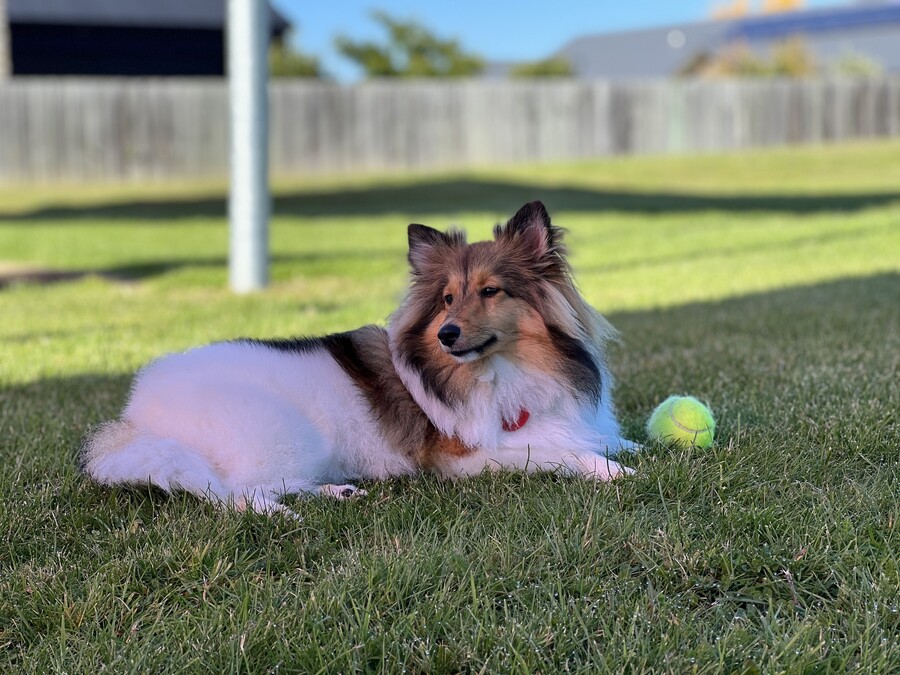
Christchurch, NZ — Daisy, the Christchurch Health and Development Study’s trailblazing canine researcher, has added another achievement to her CV: lead author of a peer-reviewed paper arguing that children require multiple tennis balls in their bedrooms to reach optimal life outcomes.
The paper, titled One Ball Is Never Enough, draws on years of observational research, controlled experiments, and Daisy’s personal lived experience of losing a ball under the couch.
According to the findings, children with access to at least three tennis balls show improved problem-solving skills, resilience, and “an early understanding that resources can and will disappear at any moment.” A fourth ball, the paper notes, is “ideal but emotionally dangerous.”
Methodology included longitudinal floor-level studies, midnight ball audits, and rigorous testing of bounce quality. Any ball deemed “sad” was excluded from the dataset.
Human researchers initially questioned the relevance of the work, but were convinced after Daisy demonstrated the theory by placing four tennis balls in a child’s room and refusing to leave until outcomes improved.
The paper concludes that investment in tennis balls is “low cost, high reward,” and recommends parents rotate balls regularly to maintain novelty and joy.
Daisy is now awaiting reviewer feedback, which she plans to ignore in favour of chasing one of the samples down the corridor.